Leave Your Message
0%

These days, with supply chains changing faster than ever, everyone’s talking about Track Chain technology. According to recent industry reports, like those from Gartner, around 70% of companies are actually putting their money into smarter supply chain solutions. What’s cool about Track Chain is that it gives real-time insights and traceability, which helps businesses fine-tune how they run things. It’s all about making processes more transparent and efficient.

But, let’s be honest, it’s not all smooth sailing. Big players like IBM and Oracle have pointed out that getting Track Chain up and running isn’t a walk in the park. Integrating it with existing systems can be pretty compliCATed and might cost a pretty penny. Plus, there’s the whole skills gap—finding people who really know how to handle this tech isn’t always easy.

Even with all the perks, lots of businesses are still trying to figure out these hurdles. Common issues like data accuracy and system compatibility can slow things down. Moving forward, businesses need to really reflect and stay committed to unlocking what Track Chain can do. Face these challenges head-on, and they’ll be setting themselves up for future success in the supply chain game.

What is Track Chain and How Does it Work?

What is a Track Chain and Its Importance in Heavy Machinery?

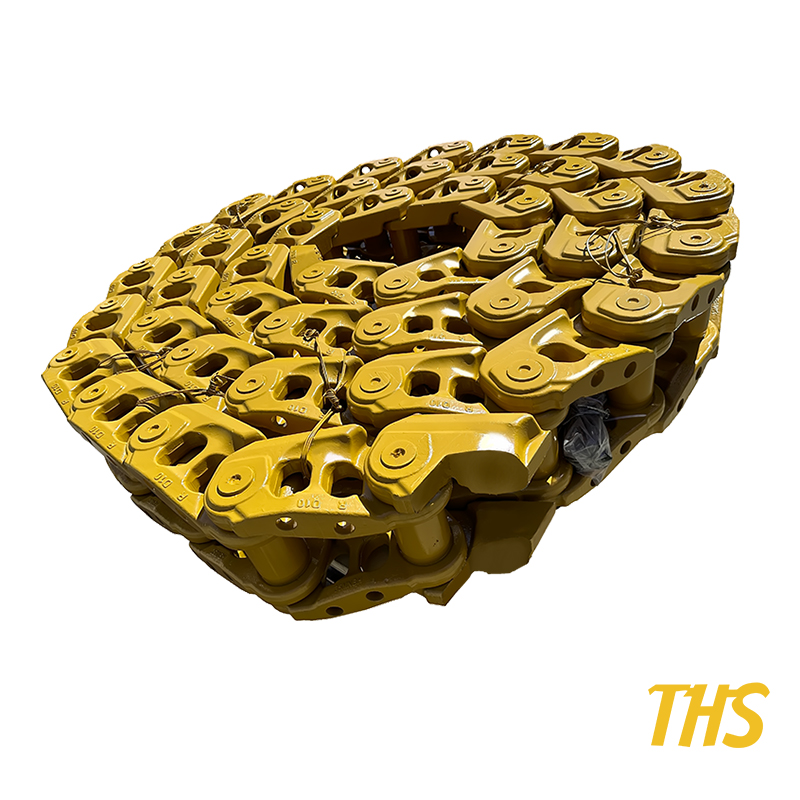
Track chains are vital components in heavy machinery, especially in tracked vehicles. They provide the necessary traction and mobility on various terrains. These chains consist of linked metal links that wrap around sprockets. They allow machinery to navigate challenging environments like mud or steep slopes. Without track chains, heavy equipment would struggle to operate effectively.

The importance of track chains cannot be overstated. They help distribute the weight of the vehicle over a larger area. This minimizes ground pressure and prevents sinking. Additionally, track chains enhance stability, making heavy machinery safer to use. They can also shorten the time it takes to complete tasks in construction and other industries. However, wear and tear can be problematic. Regular inspections are necessary to spot issues early. Neglecting maintenance can lead to failures that affect productivity. Investing in quality track chains is crucial for operational success.

Key Components of a Track Chain System in Excavators

The track chain system is vital in excavators. It enables these machines to move smoothly over various terrains. Several components work together to ensure this functionality.

One key component is the track links. These heavy-duty links are interconnected to form the track. They must withstand high pressure and harsh conditions. Alongside the links, drive sprockets play a crucial role. They engage with the track links, propelling the excavator forward. Without proper synchronization, movement can become inefficient.

Another important piece is the idler. The idler supports the weight of the machine and helps guide the track. It can wear down over time, leading to potential issues. Regular checks are needed to maintain efficiency. Maintaining these components can be a challenge. Operators may overlook minor wear, resulting in larger problems later on. Understanding these elements is essential for optimal excavator performance.

How Track Chains Function: The Mechanics Behind the Movement

Track chains are vital in various machinery, particularly in construction and manufacturing. They play a crucial role in the movement and stability of tracked vehicles. The mechanics of track chains involve several key components, each designed to work seamlessly together. The driving sprocket engages the chain, transferring power from the engine to propel the vehicle forward. As the sprocket turns, the track links rotate around the idler wheels and rollers, ensuring smooth motion over diverse terrains.

Industry reports indicate that track chains can withstand heavy loads and resist wear. For instance, according to a 2022 analysis by Machinery Insights, track chains can handle stress levels up to 10,000 Nm. This capacity allows for efficient movement in challenging environments. However, the reliability of track chains can be compromised by inadequate maintenance or poor lubrication. This highlights the need for regular inspections to ensure optimal performance.

Despite their robust design, track chains are not without limitations. They can become misaligned, leading to uneven wear and potential breakdowns. The continual exposure to dirt and debris can also impact their functionality. Understanding these intricacies is essential for operators to enhance the lifespan of track chains and ensure smooth operations in heavy-duty applications.

Applications of Track Chains in Construction and Agriculture

Track chains are essential components in heavy machinery. Their applications in construction and agriculture are vast and crucial. In construction, track chains enhance the mobility of equipment such as excavators and bulldozers. These machines can navigate rough terrains, making them ideal for building projects. The gripping power of track chains allows them to distribute weight evenly. This reduces the risk of sinking into soft ground.

In agriculture, track chains are used in tractors and harvesters. They provide better traction in muddy or uneven fields. Farmers can work efficiently, even in adverse weather conditions. The use of track chains simplifies tasks like plowing and planting. This leads to increased productivity and reduced fuel consumption.

Tips: Regular maintenance of track chains is vital. Keep them lubricated to prevent wear and tear. Inspect them for damage often. Small issues can lead to bigger problems. It's also important to match the right track chain for specific machines. Mismatches can cause inefficiency. Track chains improve performance but require care and attention.

What is Track Chain and How Does it Work? - Applications of Track Chains in Construction and Agriculture

Application Description Advantages Common Machinery
Excavation Used for digging and removing dirt and debris. High stability and traction in tough terrains. Excavators, Diggers
Agriculture Used for plowing, planting, and harvesting crops. Reduced soil compaction and improved traction. Track Tractors, Combine Harvesters
Mining Used in the extraction of minerals and ores. Enhanced durability and stability on uneven surfaces. Crawler Dozers, Shovels
Landscaping Used for grading and shaping landscapes. Less ground pressure, minimizing damage to lawns. Mini Skid Steers, Track Loaders

Maintenance Best Practices for Prolonging Track Chain Lifespan

What is Track Chain and How Does it Work?

Track chains are crucial in heavy machinery. To extend their lifespan, regular maintenance is necessary. Operators should frequently inspect the chains for wear and damage. A simple visual check can reveal issues like cracks or bending. If anything looks off, further investigation is needed.

Proper lubrication is essential. Chains need to stay well-greased to reduce friction. Without it, they wear down quickly. During maintenance, use the right type of lubricant. Over-lubrication can attract dirt, which leads to more wear. Keep an eye on the tension as well. Too tight or too loose can cause premature failure.

Storing equipment correctly is also important. Chains should be clean and dry when not in use. Leaving them exposed can lead to rust and corrosion. Track chains deserve attention, or they will let you down. Regular check-ups and a bit of care go a long way in prolonging their life.

Industry Standards and Safety Regulations for Track Chains

What is Track Chain and How Does it Work?

Track chains play a critical role in heavy machinery, but they come with various industry standards and safety regulations. These standards ensure proper function and safer operations. According to a 2022 report from the Machinery Safety Association, adherence to these regulations can reduce workplace accidents by up to 30%. This is significant, given the high risk associated with heavy machinery.

Regular inspection and maintenance are crucial. The American Industrial Standards suggest monthly checks of track chains to prevent failures. Overlooking such recommendations can lead to catastrophic incidents. In one study, nearly 40% of machinery accidents were traced back to inadequate maintenance practices. Ensuring compliance with safety regulations can minimize this risk.

Proper training for operators is equally important. In many cases, a lack of knowledge contributes to mishandling equipment. Implementing comprehensive training programs can help mitigate this risk. The Machinery Safety Association noted that trained operators significantly decrease the likelihood of accidents. These measures emphasize the importance of rigorous adherence to existing safety standards for track chains.

Future Trends and Innovations in Track Chain Technology

Future trends in track chain technology reveal significant advancements. The global market for track chains is projected to exceed $2 billion by 2025, driven by increasing demand in construction and mining. Companies are focusing on enhancing durability and efficiency. The integration of materials like high-strength alloys is becoming more common. These materials can reduce wear and tear, extending the product's lifespan.

Moreover, automation is reshaping track chain production. Robotics is streamlining manufacturing processes, leading to higher precision. However, challenges remain in balancing cost and innovation. Environmental concerns are also influencing design choices. Companies are exploring eco-friendly materials that minimize ecological footprints. The implementation of smart technology is another developing trend. Sensors can provide real-time data for maintenance needs, which can prevent in-field failures.

Despite these innovations, industry leaders must reflect on potential setbacks. High initial costs can deter smaller enterprises from adopting new technologies. A careful analysis of investment vs. long-term benefits is essential. Additionally, integrating new technologies requires training for the workforce. Ensuring safety while adopting automation remains a critical consideration. Industry experts see both opportunities and obstacles in the evolution of track chain technology.

FAQS

: What should I do if I encounter a problem while using a product?

: Check the user manual for troubleshooting tips. Try to reset or recalibrate the device. Reach out for support if needed.

How can I improve my experience with this product?

Familiarize yourself with its features. Follow best practices as recommended in the guide. Experiment with settings.

Why is my product not working as expected?

There could be several reasons. Ensure it's fully charged or connected properly. Look out for software updates.

What are common mistakes to avoid while using this item?

Don't overload or misuse it. Avoid exposure to extreme conditions. Regular maintenance is crucial for longevity.

How often should I clean or maintain my product?

Regular cleaning is important. At least once a month is a good idea. Check components for wear or damage regularly.

Can I use this product in different environments?

It depends on the specifications. Some products are versatile; others work best in specific conditions. Research is key.

What if I lose the instruction manual?

Many manuals are available online. Search for a PDF version. Don’t hesitate to reach out for help.

How do I dispose of the product safely?

Follow local regulations for disposal. Consider recycling options if available. Improper disposal can be harmful to the environment.

Can I share this product with someone else?

Yes, but ensure they understand how to use it correctly. Share tips learned from your own experience.

What if I’m not satisfied with my purchase?

Review the return policy. Document any issues you faced. Your feedback can help improve future products.

Conclusion

A track chain is a vital component of heavy machinery, particularly in excavators, where it plays a crucial role in enabling mobility and functionality. Understanding the importance of track chains involves recognizing their key components, such as links, rollers, and sprockets, which work together mechanically to facilitate movement over various terrains. These systems are widely used in construction and agriculture, making them essential for diverse applications.

To ensure longevity and optimal performance, proper maintenance practices are imperative. This includes regular inspections and adjustments to meet industry standards and safety regulations that govern track chain use. As technology advances, innovations in track chain design and materials are set to enhance efficiency and durability, promising a future of improved functionality in heavy machinery operations. Ultimately, the track chain remains a cornerstone of reliable performance in many industrial applications.

Caleb

Caleb

Caleb is a dedicated marketing professional at Xiamen Oudeqi Mei Technology Co., Ltd., where he leverages his extensive expertise to drive the company's growth and visibility in the competitive tech landscape. With a strong background in digital marketing and content creation, he excels in writing......
Previous Future Innovations in Dozer Undercarriage Rollers for Global Buyers
Next Top Undercarriage Roller Kits for Heavy Equipment What to Choose?