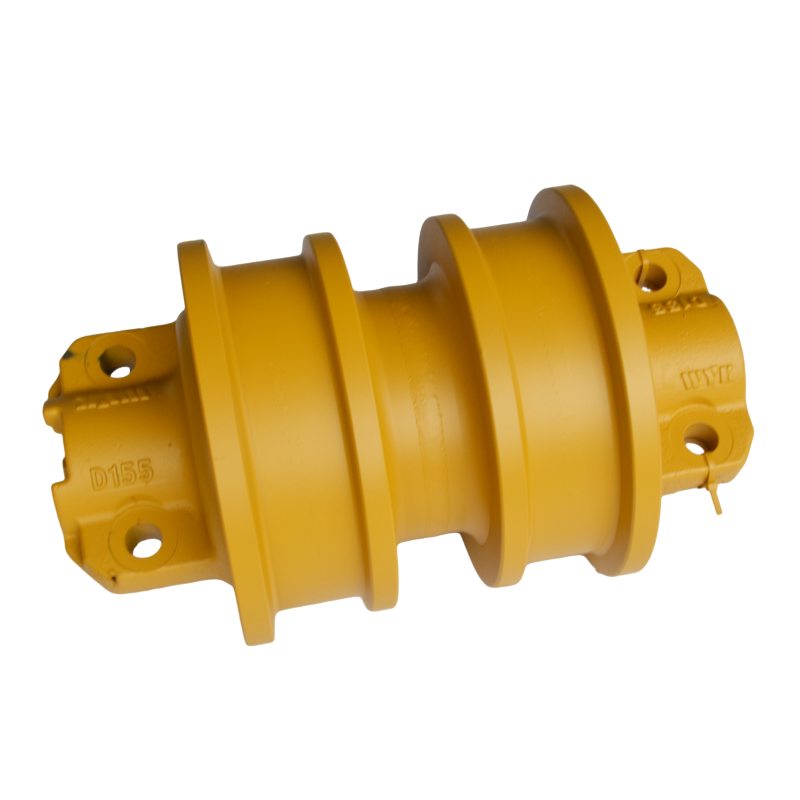
When it comes to heavy machinery, dozer undercarriage rollers are one of those parts you might not always think about, but they really are key. These rollers support the tracks and keep the machine moving smoothly over all sorts of rough terrain. I read what John Smith from Heavy Equipment Solutions mentioned—he said, “The efficiency of a dozer largely depends on the quality of its undercarriage rollers.” And honestly, that says a lot about just how important these little parts really are when it comes to getting the job done right.
You know, people often overlook how crucial these rollers are until something goes wrong. But actually, if they start wearing out or get damaged and aren’t checked regularly, it can lead to some pretty expensive repairs later on. That’s why routine inspections are a must—better to CATch issues early before your machine’s downtime gets costly. Working on a construction site, you can’t help but notice how these parts are the unsung heroes—they keep the machine steady and strong, even when conditions are tough.
Getting a grip on how dozer undercarriage rollers work really helps you understand how to make your equipment last longer. Still, a lot of folks tend to ignore maintenance on these parts, which can cause bigger problems down the line. Taking the time to look after them can boost your machine’s performance big time. After all, a dozer with crappy rollers just won’t perform at its best. The key is paying attention to the undercarriage—when you do, you’ll be ready to handle whatever the job throws at you.

What Are Dozer Undercarriage Rollers?
Dozer undercarriage rollers play a crucial role in the operation of bulldozers. They support the weight of the machine and help it glide over various terrains. These rollers are typically located between the tracks. Their design allows for smooth movement and reduces wear on the undercarriage. A well-maintained roller can significantly enhance efficiency.
When we think of Aftermarket Dozer Track Rollers, their importance becomes even clearer. These replacements can extend the life of a bulldozer. However, choosing the wrong type can lead to more issues. It’s vital to assess compatibility with the existing undercarriage. Sometimes, even minor mismatches can disrupt functionality. Owners may overlook these nuances, leading to costly repairs later.
Understanding the mechanics of dozer undercarriage rollers helps operators make informed decisions. Regular checks are necessary to ensure optimal performance. Even with good quality parts, wear can still occur. Thinking critically about maintenance can lead to better outcomes. Using aftermarket dozer track rollers effectively is a balancing act of quality and cost.
Components of Dozer Undercarriage Rollers
Dozer Undercarriage Rollers are crucial for the performance of bulldozers. These rollers support the weight and help distribute pressure across the undercarriage. A typical roller weighs around 200 to 350 pounds, affecting overall machine efficiency. The material is usually hardened steel, designed to withstand harsh conditions. Reports indicate that proper maintenance of these components can enhance durability by up to 30%.
The design of Dozer Undercarriage Rollers often includes features to facilitate self-cleaning. This design helps prevent dirt and mud from accumulating. Accumulation can lead to premature wear and reduced functionality. In fact, industry studies show that 25% of undercarriage failures are related to roller performance issues. Regular inspection of rollers can identify wear earlier, preventing costly downtime.
Connection points between rollers and links in the undercarriage are frequently points of failure, often overlooked. Failure to address minor issues can result in significant repair costs later. Routine checks on roller alignment can prevent larger failures, impacting the machine's productivity. In an industry where machine uptime is vital, attention to these details is essential.
How Do Dozer Undercarriage Rollers Function?
Dozer undercarriage rollers play a crucial role in the operation of bulldozers. These rollers support the weight of the machine and help it glide over rough terrain. The durability of undercarriage rollers is vital. Studies indicate that around 30% of dozer maintenance costs stem from undercarriage wear and tear. Properly functioning rollers can drastically reduce these expenses.
The function of dozer undercarriage rollers revolves around mobility and stability. Each roller is designed to distribute the dozer's weight evenly. This balance is essential when navigating uneven surfaces. A well-maintained roller helps prevent excessive wear on other components, such as tracks and sprockets. Evidence suggests that dozers with superior undercarriage components show a 20% increase in operational efficiency.
However, maintaining these rollers can be challenging. Environmental factors, such as excessive dust or water, can affect their lifespan. Many operators overlook regular inspections, leading to costly breakdowns. Reports indicate that neglect can reduce roller life by up to 50%. It’s clear that diligence in maintenance can significantly improve the longevity and performance of undercarriage rollers.
Types of Dozer Undercarriage Rollers
Dozer undercarriage rollers play a crucial role in the efficiency of bulldozers. These rollers are designed to provide support and enable the smooth movement of the undercarriage. They help distribute weight and reduce friction during operation. There are several types of dozer undercarriage rollers, each tailored for specific tasks and terrains.
The most common types are carrier rollers and track rollers. Carrier rollers sit above the track while track rollers are positioned along the sides. Both types work together to ensure stability and optimal performance. Carrier rollers help with the overall weight distribution, while track rollers assist in guiding the track as the dozer moves. A Dozer Undercarriage Diagram can illustrate the arrangement of these rollers effectively.
When choosing the right roller, consider the environment. Rocky or uneven terrains may require more robust rollers. However, there can be flaws in design. Sometimes, the wrong type of roller may be used, leading to increased wear and decreased efficiency. Operators should regularly evaluate their equipment for potential improvements.
What is Dozer Undercarriage Rollers and How Do They Work? - Types of Dozer Undercarriage Rollers
| Roller Type | Description | Applications | Benefits |
| Top Rollers | Placed on top of the track to guide and support the dozer. | Used in various terrains; ideal for maintaining track alignment. | Improves stability and reduces wear on the tracks. |
| Bottom Rollers | Support the weight of the dozer and assist in track movement. | Heavier operations, suitable for rough terrains. | Enhances weight distribution and increases traction. |
| Idler Rollers | Located at the front end of the track; maintain tension. | Essential for maintaining proper track alignment in all conditions. | Prevents track slippage and extends track life. |
| Carrier Rollers | Support the track underneath to minimize deflection. | Used in heavy-duty machinery applications. | Increases durability and reduces wear from heavy loads. |
Factors Affecting Dozer Roller Performance
Dozer undercarriage rollers play a crucial role in the performance of bulldozers. Various factors affect their efficiency and durability. Operating conditions are one significant element. For instance, rough terrain increases stress on both the rollers and the track system. This wear can lead to premature failure if not addressed.
Another important factor is the maintenance of the rollers. Regular lubrication helps reduce friction and keeps rollers functioning smoothly. Neglecting this task can result in overheating and damage. Proper alignment is also essential. Misalignment puts extra pressure on the rollers, shortening their lifespan.
Environmental conditions also matter. Mud and water can lead to corrosion, affecting performance. In cold climates, freezing temperatures may cause added stress. Understanding these factors can help operators make informed choices about maintenance and usage. It's a constant learning process.
Maintenance Practices for Dozer Undercarriage Rollers
Regular maintenance of dozer undercarriage rollers is crucial for optimal performance. These rollers endure significant stress while navigating rough terrains. It's essential to check them frequently for wear and tear. Inspecting the seals and bearings regularly can prevent unexpected failures. Dirt and debris often build up in these areas, leading to damage. Keeping them clean will help maintain their functionality and longevity.
Lubrication is another key aspect of maintenance. Smooth operation relies on adequate lubrication to reduce friction. Using the right type of grease and ensuring proper application is vital. Over-greasing or under-greasing can cause problems. Operators should also monitor the roller's alignment. Misalignment can lead to uneven wear and reduced efficiency. Addressing these issues early can save time and costs later.
Periodic inspection schedules are recommended. Operators may sometimes overlook minor issues until they escalate. Creating a check-list can help in this regard. It might sound basic, but attention to detail is necessary. Even small adjustments can enhance performance significantly. Continuous reflection and adaptation in maintenance practices can lead to improved outcomes.
Common Issues with Dozer Undercarriage Rollers and Solutions
Dozer undercarriage rollers play a vital role in the machinery’s performance. These rollers support the weight of the dozer while allowing smooth movement on rough terrain. Over time, wear and tear can occur, leading to common issues. A frequent problem is misalignment, which can cause uneven wear on the tracks. Misalignment also affects the overall stability of the dozer.
Another issue is excessive wear due to insufficient lubrication. When rollers lack proper lubrication, they can become damaged quickly. This not only impacts performance but also increases repair costs. To mitigate this, regular maintenance checks for lubrication levels are essential. It’s crucial to address these concerns promptly to avoid larger problems with Dozer Undercarriage Parts.
Dirt and debris accumulation can also hinder roller functionality. Cleaning these parts regularly can help prevent this issue. However, many operators forget this important step. Ignoring such details can lead to premature roller failure. Awareness and proactive measures can significantly enhance the longevity of undercarriage rollers. Keeping a close eye on these parts ensures that your dozer remains in optimal condition.
Dozer Undercarriage Rollers Wear Analysis
This chart represents the wear levels of dozer undercarriage rollers over time. The data illustrates how wear affects performance and maintenance requirements.
FAQS
: The product aims to enhance daily efficiency and convenience in various tasks.
Follow the instructions carefully. Ensure you set it up properly for best results.
Yes, avoid water exposure. Keep it away from children. Regularly check for wear and tear.
Try restarting it. If the issue persists, consult the troubleshooting guide provided.
A limited warranty is typically included. Check the documentation for specific details.
Yes, but monitor the weather conditions. Prolonged exposure to extreme elements isn’t recommended.
Use a soft cloth. Avoid harsh cleaners to prevent damage.
Yes, compatibility varies. Review the specifications to ensure successful connections.
Check your last known location. Use tracking features if available.
Some users expect instant results. Patience and proper use often yield better outcomes.
Conclusion
Dozer Undercarriage Rollers are essential components of bulldozer undercarriage systems, contributing to the vehicle's mobility and stability during operations. These rollers support the weight of the dozer and facilitate smooth movement over various terrains by working in conjunction with other components such as tracks and drive systems.
The functionality of Dozer Undercarriage Rollers relies on their design, which allows them to absorb shocks and reduce friction, ultimately enhancing overall performance. Different types of rollers may be used depending on the specific application and environment. Factors such as load distribution, terrain type, and maintenance practices play critical roles in the performance and longevity of these rollers. Regular maintenance is essential to address common issues like wear and tear, ensuring optimal operation and extending the service life of the undercarriage system.